Over the last decade, cryptocurrency has gone from a niche idea among tech enthusiasts to a global conversation about the future of money. But while names like Bitcoin and Ethereum often make the headlines, many people still ask: What exactly is crypto? And more importantly, how does the blockchain, the technology behind it, actually work?
Let’s break it down step by step, in plain language.
What Is Cryptocurrency?
Cryptocurrency (or “crypto” for short) is a type of digital money. Unlike the dollars in your bank account, it doesn’t rely on banks or governments to track balances and transactions. Instead, it’s powered by a network of computers all over the world that work together using a system called blockchain.
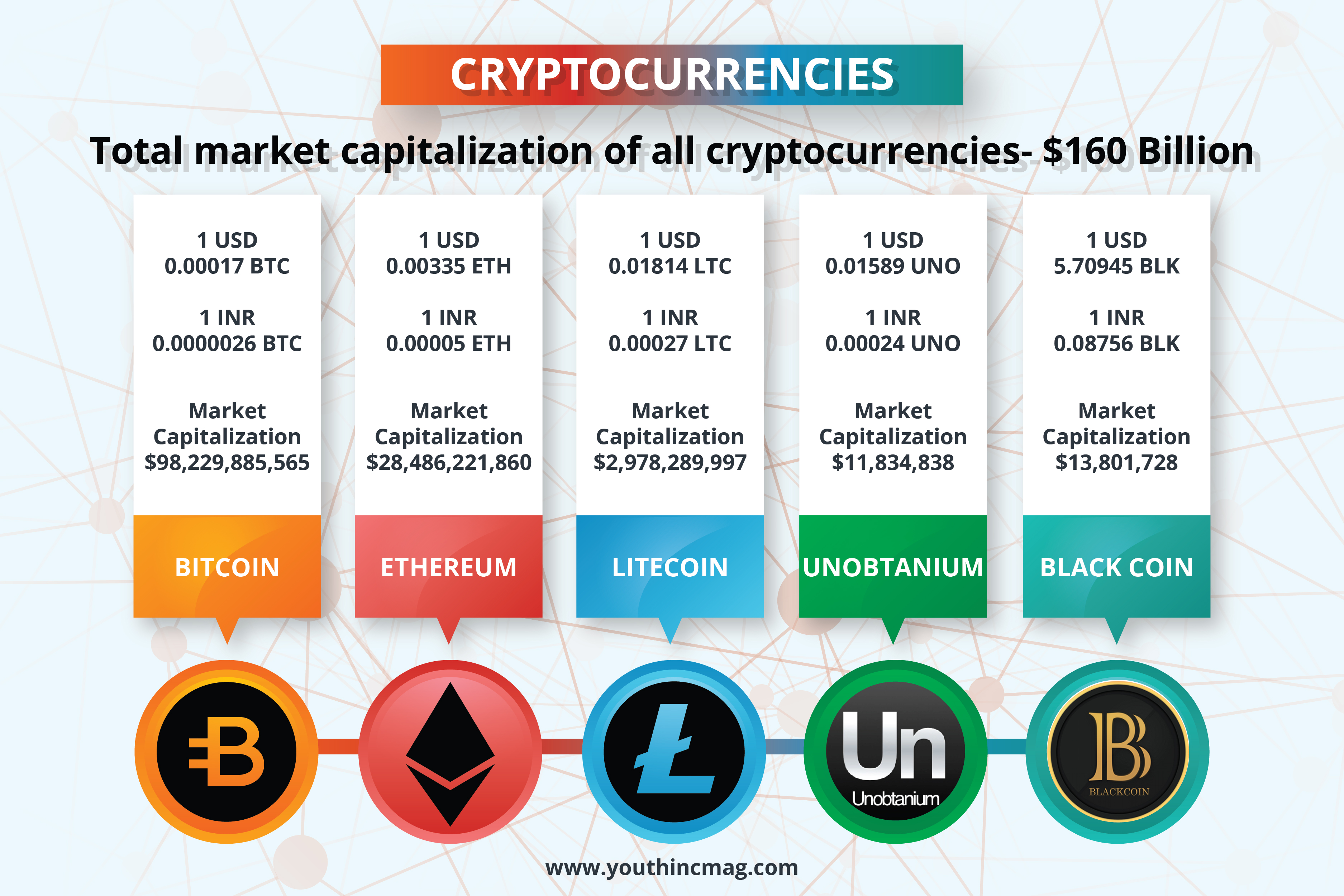
Here’s some of the most popular cryptocurrencies and their valuations compared to the United States Dollar(USD).
The Blockchain: A Digital Ledger
Think of the blockchain as a digital notebook that everyone can see and update, but no one can erase or secretly change.
Here’s how it works:
- Transactions are requested: Imagine Alice sends 1 Bitcoin to Bob.
- The transaction is broadcast: Computers in the crypto network (called “nodes”) see this request.
- The transaction is verified: The network checks: Does Alice actually have that Bitcoin?
- The transaction is grouped into a block: Verified transactions are collected together.
- The block is added to the chain: Once confirmed, the block is linked to previous ones, forming a secure chain.
That’s why it’s called blockchain: it’s literally a chain of blocks containing transaction records.
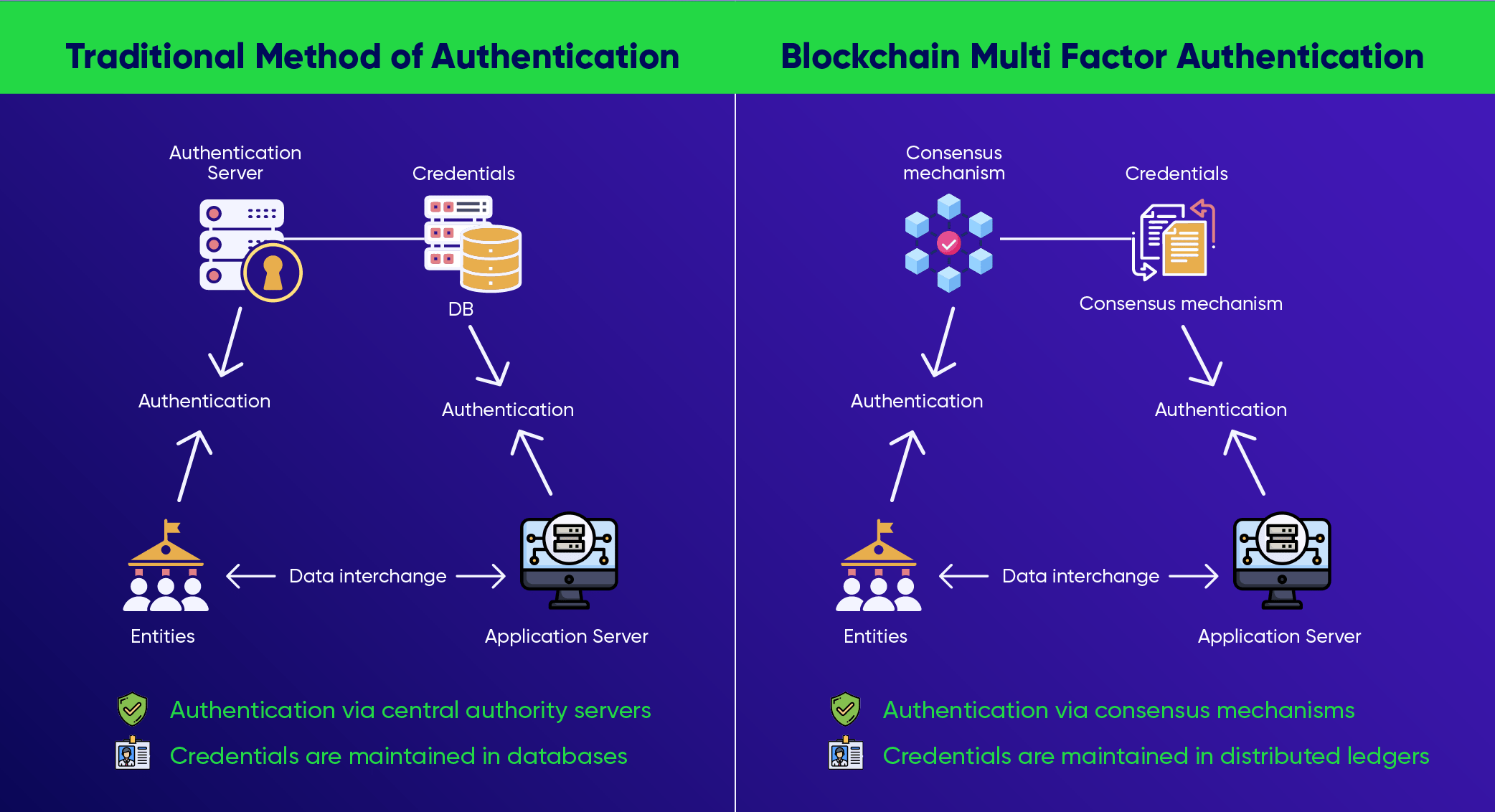
Here’s a diagram further explaining how Blockchain’s security and Multi Factor Authentication works.
Why Is Blockchain Secure?
The blockchain is secure because:
- Transparency: Everyone can see the ledger.
- Decentralization: No single person or company controls it.
- Immutability: Once information is recorded, it’s nearly impossible to change without the entire network noticing.
It’s like having thousands of referees watching every play in a game; you can’t cheat without everyone catching you.
Beyond Money: What Else Can Blockchain Do?
While crypto is the most famous use, blockchain has many other possibilities:
- Smart contracts that execute automatically when conditions are met (Ethereum).
- Supply chain tracking for food, medicine, or luxury goods.
- Digital identity systems that give people more control over their personal data.
Final Thoughts
Crypto and blockchain can feel intimidating at first, but at their core, they’re about one thing: trust without a middleman. Instead of relying on banks or big companies, blockchain relies on technology and a global network to ensure fairness, transparency, and security.
Whether or not crypto becomes the future of money, the blockchain has already shown us a new way to think about trust in the digital world.
 The Data Dynamo